When it comes to paving your driveway, parking lot, or commercial property, choosing the right material can make the difference between a short-term fix and a long-lasting investment.
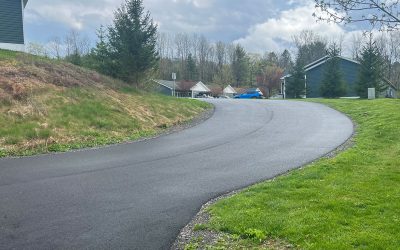

As most know, an asphalt driveway has clear advantages to different types of driveways. The most common and clear advantage to a paved asphalt driveway is curb appeal. Nothing beats the beauty of a home that looks complete with a paved driveway, but that isn’t the only pro for having your driveway paved.
Asphalt driveways are less maintenance than gravel driveways. Gravel moves when it’s driven on especially when it’s wet or rainy. This causes potholes that create standing water, making mud, and accelerating the growth of potholes. Asphalt driveways typically keep the bottoms of your shoes cleaner, which means less mess tracked into your home or vehicle. Speaking of rain, gravel driveways tend to hold moisture in the soggy months. This moisture underneath vehicles accelerates the rusting process on vehicles that are exposed to salt. Vehicles have lots of nooks and crannies that are almost impossible to clean from salt debris. The mixture of warm temperatures and moisture activates the salt in hard-to-reach areas.
Now let’s talk about the not so fun months, especially in the North East, WINTER. Asphalt driveways make it much easier to remove snow and ice. Snow plows and shovels glide across the smooth surfaces without digging in and creating a pile of gravel that you have to spread back out in the spring. It also saves the sheer pins on snow blowers when they don’t get stones caught in augers, not to mention sailing stones out into the lawn to be found by lawn mowers in the Spring. Asphalt is safe to use rock salt to melt the snow and ice build-up, whereas salt on gravel melts snow and ice into water creating mud.
The most overlooked part of an asphalt driveway is the preventative maintenance which gives the best lifespan for your driveway. Sealcoating adds a layer of sealer across the driveway to prevent water from seeping into the driveway. Typically, this is done in late summer to seal the driveway before winter comes, and should be done every 2 to 3 years preventing moisture to seep in and freeze. Freezing water in asphalt expands and causes the aggregates to pull apart creating a pothole. This helps us gain a life expectancy of around 20 years before a more in-depth repair might need to happen.
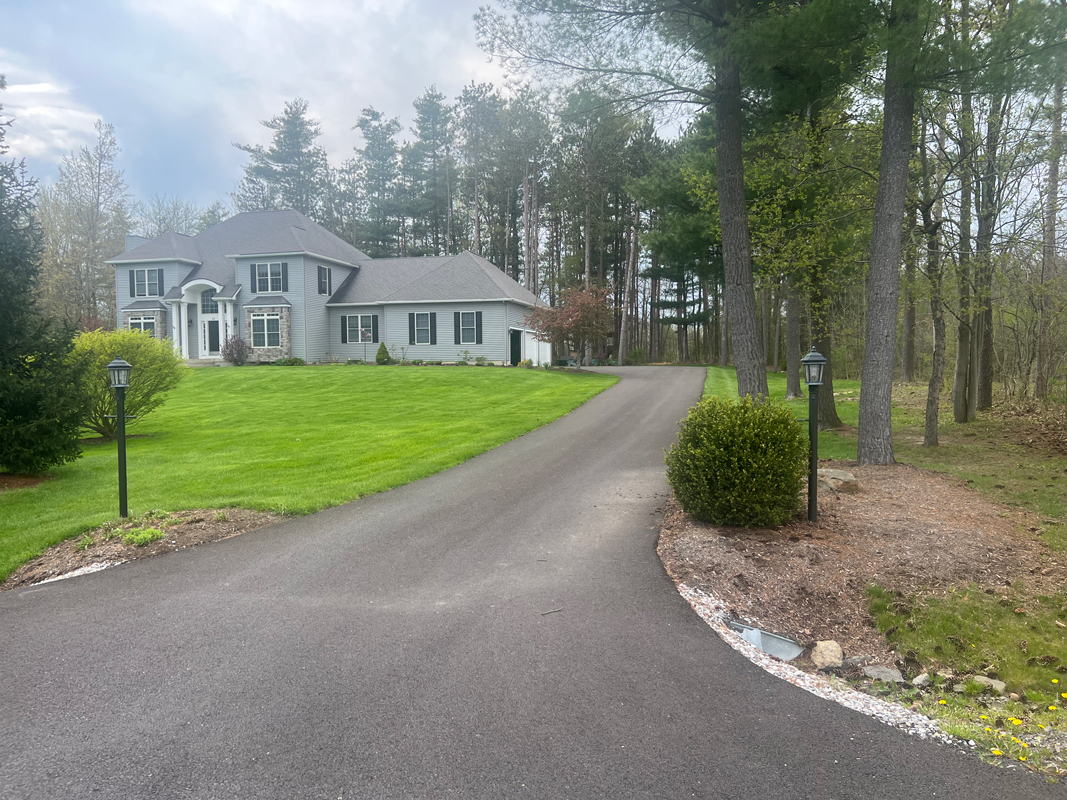
When it comes to paving your driveway, parking lot, or commercial property, choosing the right material can make the difference between a short-term fix and a long-lasting investment.

One very simple reason to update your driveway is that it will provide your children a safe place to play. A smooth surface to play basketball or other sports that require you to bounce the ball off the ground can provide hours of entertainment for your children. ...

Brock SmithBrock Smith is Barney & Melody's grandson and is the third generation of Smith family members to join the business! Brock started in 2020 after graduating from High School. Soon after graduation Brock followed in his father's footsteps and attended...